 Botswana Mining Review Comprehensive Coverage of the Progress and Achievements in the Mining Sector


Related Articles


Angola, Botswana, Mozambique and Zambia delegation heads to US as demand from mining and industrial growth accelerates grid investment
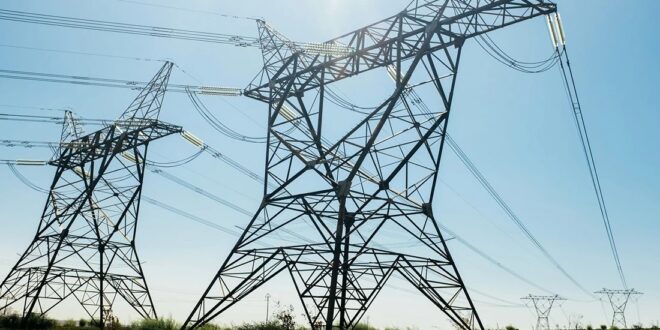
Southern Africa’s growing electricity requirements are opening a new commercial front for US energy technology companies, as power-sector decision makers from Angola, Botswana, Mozambique and Zambia travel to the United States to explore partnerships aimed at modernising the region’s transmission and distribution infrastructure. The delegation of about 15 government and private-sector representatives will visit Denver, Colorado and Austin, Texas, from 29 August to 5 September under a programme organised by the US Trade and Development Agency (USTDA).
The initiative comes as rapid population growth, urbanisation and expanding industrial activity place increasing pressure on electricity networks across the region. The accelerating development of critical minerals mining is adding another layer of demand, with mines requiring increasingly reliable and secure power to support higher production and processing capacity. As Southern African economies seek to attract mining and industrial investment, the ability to provide dependable electricity is becoming an increasingly important component of competitiveness.
During the US visit, delegates will meet American companies and examine technologies designed to strengthen transmission and distribution networks, improve grid security and integrate artificial intelligence-enabled control systems. The programme will also expose the delegation to different approaches to utility management and regulation through engagements with publicly and privately owned utilities and regulatory institutions, including the Colorado Public Utilities Commission and the Electric Reliability Council of Texas.
The focus on modern grid technology reflects a wider shift in the region’s energy priorities. Transmission constraints, ageing infrastructure and growing electricity demand are placing greater emphasis on grid reinforcement, interconnection and smarter network management. For countries such as Botswana and Zambia, where mining remains a major driver of economic activity, reliable power infrastructure is particularly critical as copper, critical minerals and other resource projects expand. Mozambique and Angola face similar pressures as industrial activity, urbanisation and energy-intensive projects increase demand for dependable electricity.
The delegation’s engagement with US technology providers could therefore extend beyond conventional equipment procurement to opportunities for engineering partnerships, digital grid management, system resilience and long-term infrastructure development. USTDA will host a business briefing in Denver on 1 September, giving US companies an opportunity to engage directly with the delegation on upcoming commercial opportunities and present technologies focused on grid security and modernisation.
The programme comes at a time when Southern African power systems are becoming increasingly interconnected, creating opportunities for regional approaches to electricity transmission and balancing. Greater interconnection could help countries manage fluctuations in supply and demand, improve system resilience and facilitate the movement of electricity across borders. However, achieving that requires substantial investment in transmission infrastructure and technologies capable of managing increasingly complex power systems.
The US sees an opportunity for its private sector to participate in that transformation. USTDA said American companies are well positioned to provide advanced energy distribution technologies, engineering expertise and equipment capable of making regional grids more stable, efficient and secure. The commercial opportunity is significant. Southern Africa’s energy requirements are expected to continue rising as populations grow, economies urbanise and mining and industrial projects expand.
The intersection between power infrastructure and critical minerals is particularly important. Copper and other minerals needed for electrification are driving investment into new mines and processing facilities, but those projects in turn require reliable electricity networks. The challenge for the region is increasingly to ensure that power infrastructure keeps pace with the industrial ambitions being created by its mineral wealth. The USTDA delegation programme places that challenge at the centre of a broader US-Southern Africa commercial engagement, with grid modernisation emerging as an area where American technology, capital and expertise could support the region’s next phase of industrial growth.
