 Botswana Mining Review Comprehensive Coverage of the Progress and Achievements in the Mining Sector


Related Articles



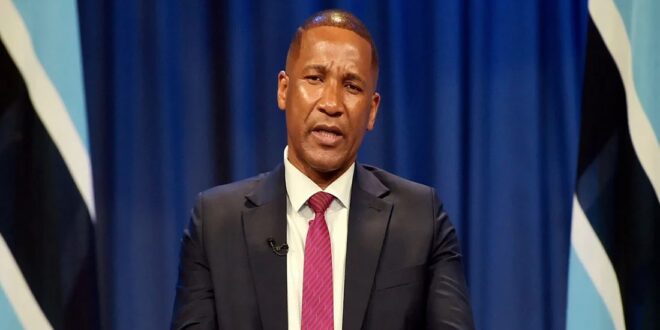
For decades, the economic pulse of Botswana has been measured by the brilliance of its diamonds. However, as the global energy transition accelerates, the nation is aggressively repositioning itself as a strategic hub for copper and battery metals. In a recent move to court international mine builders, the Botswana Stock Exchange (BSE) has begun pitching itself to Canadian miners as a sophisticated funding alternative. Neo Mooki, Chairperson of the BSE, recently highlighted the exchange’s robust capacity during the CIM Connect event in Vancouver, emphasizing that Botswana offers a unique combination of financial mobility and deep regional liquidity.
The investment case for Gaborone is bolstered by the country’s liberal financial environment, which features no restrictions on currency inflows or outflows a rarity that provides significant comfort to international investors. As of early May 2026, the Botswana Stock Exchange reached a total market capitalisation of approximately US$72.2 billion. This financial depth is intended to serve as a springboard for the next generation of mine construction, particularly as explorers move beyond the traditional diamond-rich kimberlites into the vast, untapped copper belts of the Kalahari.
Data from Statistics Botswana underscores the urgency and reality of this diversification. While diamonds traditionally accounted for roughly 80% of exports, recent figures from early 2025 show that copper has surged to represent 32.2% of the country’s export value, while diamonds have moderated to just under 50%. This structural shift is driving the BSE’s outreach to the Toronto and Vancouver mining clusters, seeking to align Canadian technical expertise with African capital. By providing a platform for dual listings and local capital raises, Botswana is positioning itself to lead the continent’s transition from a luxury-goods economy to a critical minerals powerhouse.
Neo Mooki believes the appetite for this transition is already present within the domestic and regional markets. Addressing the perception of investment barriers, Mooki stated: “Africa is not capital poor. There is a lot of capital in Africa. The market wants to help finance the next round of mine building.”
