 Botswana Mining Review Comprehensive Coverage of the Progress and Achievements in the Mining Sector


Related Articles


National Geographic Society and the international diamond miner De Beers have extended Okavango Eternal Partnership for five more years.
The new pact is building on five years of conservation, livelihoods and storytelling impact and the renewed Okavango Eternal partnership will deepen collaboration with governments and communities across Botswana, Angola and Namibia
In addition, reaffirms the company’s commitment to the long-term protection of the Okavango River Basin and to conservation-related livelihood opportunities for the people who live there and help steward it.
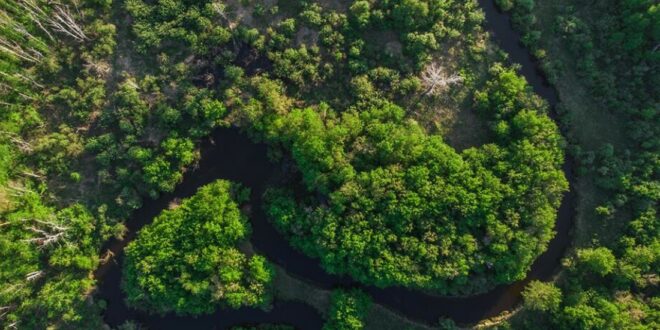
As one of Africa’s most vital wetland ecosystems, the Basin provides food, water and livelihoods for more than one million people and sustains one of the world’s largest elephant populations, while its Angolan headwaters feed other major river systems across the continent.
Commenting on the development, President Duma Boko said: “Our ambition is clear: to strengthen cooperation across the Basin, deepen scientific understanding of this globally significant ecosystem, and expand opportunities for communities through conservation, transboundary tourism and sustainable livelihoods.
“Through Okavango Eternal, responsibly sourced natural diamonds are helping protect the source waters of the Okavango Basin, empower communities and demonstrate how natural wealth, when governed with integrity and purpose, can be transformed into enduring human and ecological progress for generations to come.”
Since its launch in 2021, the Okavango Eternal partnership has delivered tangible progress and will now build on that foundation by strengthening collaboration with Botswana, Angola and Namibia, the three countries that share the Basin.
The geography of the Basin makes this level of cooperation essential. More than 95 percent of the water sustaining the Okavango Delta originates in the Angolan Highlands before flowing through Namibia and into Botswana. This interconnected system links the food and water security and economic futures of all three countries.
The next five-year phase of Okavango Eternal comes at a critical moment for preserving the Basin’s freshwater resources. While the Delta in Botswana benefits from formal protection, its Angolan source does not and faces mounting environmental and development pressures. Beyond global recognition as a wetland of international importance, formally protecting the Basin’s Angolan source is essential for current and future generations.
“The Okavango is one of the world’s most extraordinary natural systems, but its importance is felt most deeply in the lives of the people who depend on it in the water they drink, the livelihoods they build, the traditions they carry and the future they want for their children. That is why Okavango Eternal matters so much. It brings together governments, communities, conservation experts and partners around a shared commitment to protect the Basin in a way that respects local knowledge and supports long-term opportunity. The progress made so far shows what is possible when conservation is rooted in respect, partnership and genuine care for the people and places connected by the Okavango,” said Malebogo Mpugwa, Chief People Officer, De Beers Group.
Meanwhile Jill Tiefenthaler, Chief Executive Officer of the National Geographic Society said:
“We have built incredible momentum through our Okavango Eternal partnership with De Beers, and shown what is possible when organizations unite around a shared vision to protect the natural world while honoring the communities and traditions that call it home. Looking ahead, we’re inspired by what we can achieve alongside the governments and communities of Botswana, Angola and Namibia to secure lasting protection for the river, its landscapes and the livelihoods it sustains.”
